

Summarize in
As a short-term rental host managing a single holiday home, it can often feel like a full-time job. Try juggling that responsibility across multiple properties, and you quickly realise that scaling a successful operation requires more than just enthusiasm; it requires a specialised skill set and a dedicated support structure.
Below is a breakdown of the key parts of vacation rental property management and what matters most when you’re choosing a system or service. Here’s what we’ll cover:
- What is vacation rental property management?
- Why do vacation rentals need property management?
- Is the vacation rental business profitable?
- How does vacation rental management work?
- How to find a good vacation rental property manager
- How to become a vacation rental property manager
- How to start a vacation rental management company
- Top 10 vacation rental property management companies
What is vacation rental property management?
Vacation rental property management is the professional oversight of a short-term rental on behalf of the owner. It covers the day-to-day work involved in hosting guests, keeping the property in good condition, and handling bookings, payments, and communication.
In practice, it’s the option owners choose when they don’t have the time, experience, or proximity to manage a rental themselves.
Vacation rental management is different from long-term letting. It runs on a faster cycle, with frequent guest turnover, constant coordination, and a higher level of service.
Why do vacation rentals need property management?
For many property owners, the decision to hire a manager centres on achieving a balance between profitability and lifestyle. Running a short-term rental is anything but passive.
Professional management offers distinct advantages, primarily categorised as managing time, money and compliance.
The sheer volume of operational tasks is overwhelming
A manager absorbs the relentless workload of property turnovers, freeing the owner from the daily operational grind and ensuring consistently high standards.
Key operational duties include:
- Guest communication: Handling all enquiries, check-in logistics and in-stay questions efficiently
- Cleaning coordination: Scheduling and supervising professional cleans and linen changes between tight turnover windows
- Maintenance: Coordinating minor repairs, emergency call-outs and preventative maintenance checks
- Logistics: Managing key handovers, smart locks and ensuring property readiness 24/7
Revenue management requires dynamic expertise
The short-term rental market is fluid; prices fluctuate constantly based on seasonality and demand. Setting a fixed price guarantees lost earnings.
Professional managers use sophisticated tools and market data to continuously adjust rates to maximise both occupancy and the average daily rate (ADR).
Key financial advantages:
- Rate optimisation: Constantly adjusting prices based on real-time market supply and demand data
- Maximising ADR: Using data-driven strategies to increase the average daily rate
- Minimising vacancy: Strategic pricing during quieter seasons to ensure consistently high occupancy rates
- Commission negotiation: Using industry connections to secure better rates with booking platforms
Navigating regulation and compliance is complex
Regulations change often, especially around licensing, tax, and safety requirements. A good property manager keeps up with both local and national rules, handles the necessary paperwork, and makes sure the property stays compliant so the owner avoids penalties or unexpected shutdowns.
Crucial compliance and legal adherence:
- Local licensing: Obtaining and maintaining required permits for short-term letting
- Health and safety: Ensuring mandatory adherence to fire safety and gas/electrical certifications
- Tax administration: Correctly collecting, filing and paying local tourist taxes and VAT obligations
- Insurance: Ensuring the property holds specific insurance policies required for commercial letting
Delivering an exceptional guest experience drives five-star reviews
Strong reviews are what keep a property booked. Guests remember fast responses, clear instructions, and a stay that feels easy from start to finish.
A good property manager handles the parts that shape that experience, from smooth check-ins to quick help when something comes up, and keeps the property’s reputation strong by following up with guests and managing feedback professionally.
Is the vacation rental business profitable?
In short: yes, unequivocally. The vacation rental business continues to demonstrate robust profitability and sustained growth globally. The sector has proven its resilience, consistently capturing a larger share of the overall tourism and lodging industry, driven by consumer preference for private, spacious, and flexible accommodation.
According to the latest research, the global vacation rental market size was valued at £133.5 billion in 2024, and is projected to grow from £149.2 billion in 2025 to over £303 billion by 2032.
The profitability for individual property owners can be substantial; for example, a well-managed three-bedroom vacation rental can generate annual revenues approaching £98,700, depending heavily on the specific market and management efficiency.
While the UK national average income for a holiday let is around £24,700 in 2024, this high figure represents the top-end potential of a large, unique and premium property in a high-demand UK location, with some of the best locations already generating over £43,200 on average.
How does vacation rental management work?
The process of managing a property is a continuous cycle broken down into four phases: Acquisition, Onboarding, Operations and Financial Reporting.
- Acquisition and initial assessment: The manager signs an agreement with the owner, inspects the property, advises on necessary improvements and conducts a market analysis to determine the best pricing.
- Onboarding and preparation: This setup phase involves professional photography and copywriting, syndicating the listing across major Online Travel Agencies (OTAs) like Airbnb and Vrbo, and establishing the operational infrastructure.
- Day-to-day operations and guest management: The execution phase covers managing reservations, implementing dynamic pricing, handling all guest communications (pre-stay, in-stay, post-stay), coordinating cleaning and maintenance tasks, and processing check-ins and check-outs, often using remote access systems.
- Financial reporting and owner communication: The manager handles all financial transactions, collects payments, pays local taxes, deducts fees and remits the net income to the owner.
Thinking about starting your own management journey or outsourcing the work?
A great manager not only saves you time, but actively helps you earn more. Find out how Touch Stay digital guidebooks can transform the efficiency of your operation today.
How to find a good vacation rental property manager
If you are a property owner, choosing the right manager is the most important decision you will make regarding your investment.
Tips and tricks, what to pay attention to:
- Assess their tech stack: Ask what software they use for pricing, channel management and guest communication. A manager relying on manual methods or basic spreadsheets is unlikely to scale or deliver a professional experience.
- Examine their transparency: Do they offer a clear owner portal with real-time access to booking calendars, revenue data and expense reports? Demand clear, documented reports – opaque accounting is a major red flag.
- Review their marketing reach: Where do they list? A strong manager will prioritise direct bookings via a polished website alongside major OTAs to minimise commission costs.
- Discuss emergency protocols: What is their plan for a burst pipe at 3am? They must have a clear, documented 24/7 response system with vetted, available contractors.
- Understand the contract and fees: Ensure you understand the full fee structure, the lock-in period and termination clauses.
- Check reviews for property managers: Look for reviews specifically about the management company from property owners, not just guest reviews about the properties themselves.
How to become a vacation rental property manager
Becoming a successful property manager requires practical experience and industry certification. While no single qualification is required, a background in hospitality, real estate, or business management is highly helpful. The most effective route involves:
- Gaining experience: Start by managing one or two properties for family or friends to build a foundational understanding of operational demands.
- Formal training: Seek out courses or certifications offered by industry bodies like the Vacation Rental Management Association (VRMA).
- Networking: Join local and national industry groups to learn best practices and stay informed about regulatory changes.
- Investing in technology: Familiarise yourself with leading Property Management System (PMS) and guest communication solutions early on, as efficiency relies heavily on a robust tech stack.
Pro tip: Learn more with our full guide to Property Management Systems
What skills and knowledge does a good property manager need?
A good property manager must possess a blend of soft and technical skills to excel in this competitive industry.
- Exceptional communication and conflict resolution: Essential for managing guest expectations, handling complaints and maintaining positive relationships with owners and contractors
- Technological proficiency: Expertise in using Property Management Systems (PMS), Channel Managers, dynamic pricing tools and guest experience platforms.
- Revenue management savvy: A deep understanding of market trends, seasonality and the ability to interpret data to maximise RevPAR (Revenue Per Available Rental)
- Local compliance knowledge: In-depth familiarity with local health and safety, licensing and short-term letting regulations in their specific market
- Attention to detail: Meticulousness in ensuring cleaning and maintenance standards are consistently met to secure five-star guest reviews
With the fundamentals covered, let’s look at what it takes to launch a short-term rental management company of your own.
How to start a vacation rental management company
Building a short-term rental management company is a proper business, not a side project. Here’s how to set it up in a way that can actually scale.
1. Study your market and niche
Define a specific market focus – luxury villas, urban apartments, or cosy cottages – rather than trying to manage everything everywhere.
Identify the specific demands, analyse the competition and define your unique value proposition (UVP).
2. Research local laws and regulations
Regulatory compliance is non-negotiable. Research the following in your area:
- Required licences and permits for short-term rentals
- Tax obligations such as VAT, tourist taxes and local levies
- Mandatory health and safety standards, including fire regulations and gas/electrical certifications
Understanding these requirements protects your business and helps you build trust with owners.
3. Create a business plan
A well-structured plan must detail your financial projections, your proposed management fee structure, startup costs, and operational budget.
Define clear targets for the number of properties in Year 1 and the staffing levels required to maintain service quality as you grow.
Pro tip: Win-over guests and investors with our ultimate short-term rental business plan
4. Register your business
Choose your legal structure (limited company, sole trader), register the business with Companies House, and establish a dedicated business bank account. Proper legal registration shows financial transparency and builds confidence with potential property owners.
5. Select the right tools and platforms
Technology is the single biggest factor in achieving efficiency and scale in modern VRPM. You must invest in a smart tech stack.
- Property Management Software (PMS): Your central hub for managing calendars, bookings, guest data and owner accounts
- Channel manager: Keeps rates and availability synced across all platforms, preventing double bookings
- Dynamic pricing tool: Optimises your nightly rates automatically based on real-time market data
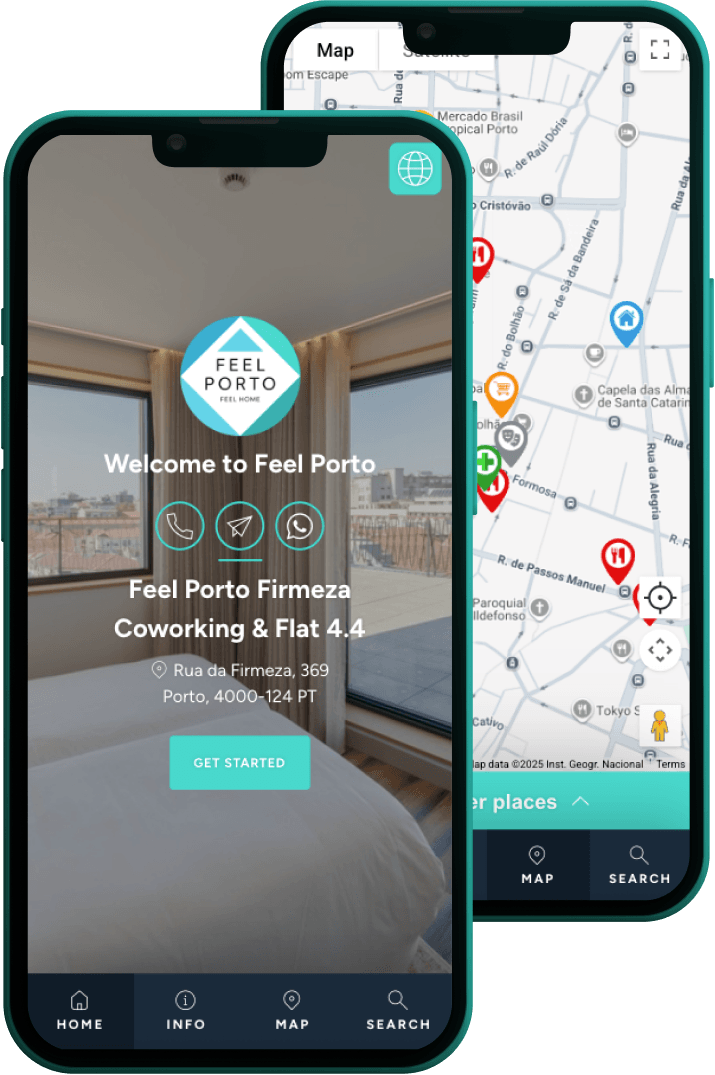
- Guest experience platform: This is where you standardise information. Tools like Touch Stay allow you to create stunning, customised digital guidebooks that house every piece of information a guest needs; from Wi-Fi codes to appliance instructions and local guides. A central, mobile-friendly guide means guests can help themselves, which reduces repetitive questions and gives your team more breathing room
Pro tip: For a deeper dive into choosing the right core systems, check out our full guide on the best property management software
7. Market your vacation rental properties
Your company’s success depends on securing bookings for clients. This requires expert marketing beyond simple OTA listings:
- Professional listings: High-quality photography and engaging property descriptions
- Direct booking website: A polished platform to drive commission-free bookings
- Brand identity: Utilise social media and a consistent brand voice to attract both guests and potential owners
8. Build local partnerships with other managers and hosts
Collaboration can be highly advantageous. Establish a referral network with other managers who service different niches. More critically, create a reliable network of trusted cleaners, handymen, and tradespeople who understand the urgency of short-term rental turnovers.
9. Scale your business
Scaling successfully means delegating tasks and automating processes. As your property count grows, you must transition from handling individual tasks to managing complex systems.
This is where automation tools and standardising guest communication through digital guidebooks become critical for maintaining quality service without requiring constant hands-on involvement.
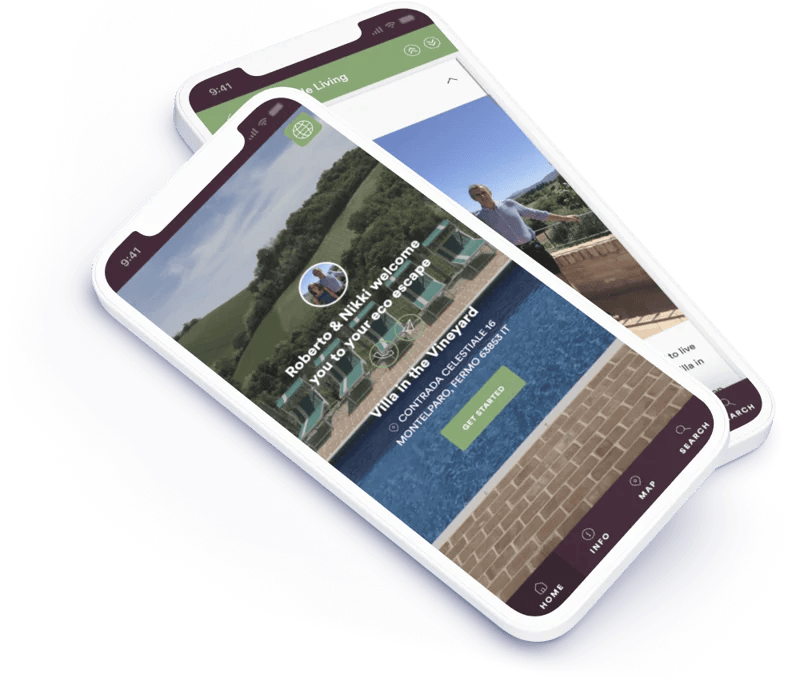
Ready to transform your management operations and impress owners from day one?
Touch Stay’s digital guidebook software makes scaling seamless, ensuring every guest gets all the information they need, 24/7, without your team having to lift a finger.
Top 10 vacation rental property management companies
Here is a snapshot of major players driving the vacation rental property management market, covering large-scale global operations and strong regional specialists.
| Company | Location/focus | Founding year | HQ | Services |
|---|---|---|---|---|
| Awaze | Europe (largest portfolio) | 1969 | Lancashire, UK | Full-service management for villas, cottages and holiday parks |
| Casago/Vacasa | Global (N. America focus) | 2009 | Portland, Oregon, US | Full-service, tech-driven management, dynamic pricing, 24/7 support, cleaning, maintenance |
| OYO Vacation Homes | Global | 2007 | Zurich, Switzerland | Management of 140,000+ holiday homes across multiple brands |
| Evolve | US/Canada/Mexico | 2011 | Denver, Colorado, US | Low-cost/hybrid management, marketing, booking management, 24/7 guest support |
| Sykes Holiday Cottages | UK and Ireland | 1992 | Chester, UK | Full-service management for leisure rentals and cottages, robust marketing |
| Interhome | Europe | 1965 | Zurich, Switzerland | Management of 50,000 rentals in 31 countries, full-service operations |
| Houst | UK/Urban focus | 2015 | London, UK | Specialist full-service management for urban apartments and city-based short-term rentals |
| Feriepartner | Scandinavia/Denmark | 1989 | Copenhagen, Denmark | Full-service, local expertise in leisure rentals and holiday homes in Denmark |
| Sonder | Global (lifestyle/boutique) | 2012 | San Francisco, US | Hospitality-focused management, blending the feel of a hotel with the space of a rental |
| Original Cottages | UK | 1992 | Norfolk, UK | Regional specialist offering hands-on, full-service management for UK holiday homes |
In an industry where high guest expectations meet complex regulations, the difference between a thriving portfolio and a time-sink is professional, systemised management. Whether you choose to outsource to a top property manager or start your own company, remember that efficiency is the new luxury.
Embrace technology, focus on the guest journey, and let tools do the heavy lifting.
Ready to start your journey towards more efficient hosting and management?
Let Touch Stay can help you save time and elevate the guest experience from day one.