

Summarize in
As an STR host, navigating the myriad of booking platforms available in 2026 can feel like a full-time job. The right distribution strategy is no longer about choosing just one site; it’s about carefully selecting the right mix to maximise your occupancy, revenue and reach.
This comprehensive guide breaks down the best short-term rental platforms for the year ahead, providing you with the essential information to make informed decisions that will future-proof your business.
We will cover:
- How to choose the best short-term vacation rental site?
- What are the best short-term vacation rental platforms?
- Should you list on multiple platforms?
- The key to managing your multi-channel strategy
Losing valuable hours answering the same guest questions? Streamline your hosting and elevate your brand on every platform with a Touch Stay digital guidebook.
How to choose the best short-term vacation rental site?
Selecting the right online travel agents (OTAs) for your property is an essential strategic decision. It’s not a one-size-fits-all approach. Your 'best' platform should align with your specific property type, ideal guest, and business goals. Consider these four critical factors.
a) Listing fees
The financial model of the platform directly impacts your profit margin. Most platforms use one of two fee structures:
- Split-fee model: The host pays a small service fee (typically 3%) and the guest pays a separate, larger fee (usually 14-16%). This is common on platforms like Airbnb.
- Host-only fee model (Commission): The host pays a single, higher commission rate on the booking total (often 10-20%), and the guest sees a price that includes all platform fees. This is generally preferred by property managers and common on platforms like Booking.com.
Key takeaway: Calculate the effective commission rate for your average booking on each platform to determine which is most profitable for your pricing structure. When comparing platforms, Airbnb fees are a key factor, see how they stack up against the competition.
b) Property types
Different platforms are built to serve different inventory. Listing your property on a site that doesn't cater to your style of accommodation is a waste of time.
- Entire homes/family groups: Platforms that focus exclusively on private, whole-property bookings, such as Vrbo, are ideal for large family homes, villas, or dedicated vacation rentals.
- Unique/shared spaces: Platforms like Airbnb are renowned for their diverse offerings, from private rooms in shared houses to treehouses and quirky stays.
- Urban/international travel: Sites with a strong hotel and city break focus, such as Booking.com and Expedia, are better suited for urban apartments.
c) Customer support
Both host and guest support should be a major consideration. In the fast-paced STR environment, a reliable, responsive support system is invaluable, particularly for managing last-minute issues, payments, or disputes. Review host forums and professional reviews to gauge the quality and speed of a platform's customer service for hosts.
d) Marketing features
Some platforms offer superior tools to help your listing stand out. Look for features like:
- Dynamic pricing integrations: The ability to easily connect to third-party pricing tools (e.g., PriceLabs).
- Enhanced listing options: The ability to add professional photography, 3D tours, or video to your listing.
- Guest segmentation: Tools that help you target specific guest demographics, like business travellers or pet owners.
Pro tip: Check out our guide - Online travel agencies: friends or foes to property hosts?
What are the best short-term vacation rental platforms?
Here are the top 10 short-term rental platforms for 2026, each offering a distinct advantage for hosts looking to diversify their booking channels.
| Platform | UX difficulty (Host) | Suited for | Regional strength | Key features |
| Airbnb | Unique stays, urban apartments | Split-fee: ~3% host / 14–16% guest | Global | AirCover, Guest Favourites badge |
| Vrbo | Entire homes, family holidays, cabins/villas | Commission per booking OR annual subscription | US + Europe | Whole-property only, deep amenity filters |
| Booking.com | Urban apartments, international guests | Host-only commission: ~15% | Europe | Genius loyalty program, huge reach |
| Tripadvisor | Review-driven bookers | Commission via FlipKey/Holiday Lettings | Global | Trust + review traffic |
| Google Vacation Rentals | Search-led visibility | Commission-free direct (via partner) | Global | Google Search/Maps exposure |
| Agoda | City apartments, budget travellers | Host-only commission | Asia-Pacific | APAC deals + discounts |
| Homestay.com | Spare rooms, hands-on hosts | Commission | Global | Shared/lived-in stays, host profiles |
| Expedia | High-volume managers, package bookers | Host-only commission | Global | Hotels.com/Travelocity network |
| Fairbnb | Ethical, community-focused hosts | Commission (portion to local projects) | Europe | Sustainable tourism model |
| Nofie | Direct-brand builders | Channel manager / low OTA reliance | Global | Direct-booking site builder |
1. Airbnb
Airbnb remains the dominant force in the STR market, offering the greatest exposure to the widest audience. Understanding Airbnb's business model helps you see why its fee structure differs from competitors.
- Top Key Features: The £2m AirCover for Hosts damage and liability protection provides hosts with peace of mind. The 'Guest Favourites' badge is now a key ranking factor, prioritising properties with excellent reviews and reliability.
- UX Experience: Generally considered the easiest platform for new hosts to get started on. The app and host dashboard are intuitive for managing bookings and communicating with guests.
- Why it stands out: It’s the brand synonymous with short-term renting. Its vast market share and cultural relevance make it a non-negotiable for most hosts, particularly those with unique or single-room offerings.
Although Airbnb is an industry leader, consider these Airbnb alternatives.
2. Vrbo
Vrbo (Vacation Rentals by Owner) is the veteran of the industry, part of the Expedia Group.
- Top Key Features: A core feature is its strict focus on entire, self-contained properties – no shared homes or private rooms. This appeals specifically to families and groups seeking total privacy. It offers hosts the choice of a pay-per-booking commission structure or an annual subscription fee (which can be more cost-effective for high-revenue properties).
- UX Experience: The platform is geared towards a slightly older, family-oriented demographic. Its tools are robust, if sometimes less sleek than competitors, focusing on deep filtering for amenities like pools and pet-friendliness.
- Why it stands out: It’s the go-to platform for the American and European family vacation market. If your property is a dedicated holiday house, cabin, or villa, Vrbo’s audience is perfectly matched to your offering.
3. Booking.com
As a global giant of travel, Booking.com has made huge inroads into the STR space.
- Top Key Features: Known for its strong performance in European and urban markets, it operates on a host-paid commission model. Its Genius loyalty program is a major benefit, rewarding repeat, high-value guests with discounts, which in turn offers greater visibility to participating hosts.
- UX Experience: The host area, known as the 'Extranet', can be complex initially due to its hotel-centric origins, but it is incredibly powerful for detailed rate and inventory management.
- Why it stands out: Its sheer international reach and popularity with business and last-minute travellers means it captures a demographic that other platforms often miss.
4. Tripadvisor
While primarily known for reviews, Tripadvisor has a significant presence in the rental market via its subsidiaries, FlipKey and Holiday Lettings.
- Top Key Features: The core benefit is the immense trust and traffic associated with the Tripadvisor brand. Your listing is backed by the world's largest travel guidance platform, which gives a sense of security to travellers.
- Why it stands out: It’s ideal for hosts looking to capture guests who heavily research and read reviews before booking.
5. Google Vacation Rentals
Google has effectively become a search aggregator, pulling listings directly from major OTAs and channel managers.
- Top Key Features: This isn't a booking site in the traditional sense, but its high-ranking visibility in Google Search and Google Maps makes it a critical channel. The opportunity to secure commission-free direct bookings is a game-changer, provided you use a Google-certified integration partner.
- Why it stands out: It represents the future of search-led bookings. Maximising your property's visibility here is a must-have for all serious hosts in 2026.
6. Agoda
Part of the Booking Holdings family, Agoda has a strong focus on the Asia-Pacific (APAC) market.
- Top Key Features: Known for offering deals and discounts, it attracts a budget-conscious traveller and is excellent for city apartments in major Asian hubs.
- Why it stands out: For hosts with properties targeting Asian travellers or located in APAC, Agoda is a top distribution channel for a massive, growing market.
7. Homestay.com
A peer-to-peer site dedicated to connecting travellers with hosts who have a spare room in their lived-in home.
- Top Key Features: The platform is built around the idea of a host being present and interacting with the guest, offering a more personal, cultural, and community-focused experience.
- Why it stands out: It's the perfect niche for hosts who genuinely enjoy the social aspect of hosting and want to share a part of their local life with guests.
8. Expedia
Listing on Expedia opens your property up to a massive segment of the travel market that is booking flights, cars, and accommodation as a package.
Help optmize this article using these notes: What to modify:
- Can we make each review be like this: Best for: [one line] apartment, house , cabin , something else ? Host fee: [model + rate] The case for it: [2–3 sentences — what's genuinely distinctive] Watch out for: [1-2 honest cons]
- Modify the table to be like this Platform, Best for, Host fee (model + rate), Regional strength, Key feature
- The h2 “Is it good to list short-term rentals on multiple platforms?” ⇒ Cna we shorten it its too long we dont need it and its too dilutive.
Article: https://touchstay.com/blog/best-short-term-rental-platforms
I'll fetch the article first to see what I'm working with.
Fetched: 10 best short-term rental platforms in 2026Here's the optimized article with all three changes applied. Note: I've kept fees as ranges/models since exact current rates vary; verify any specific numbers before publishing.
What are the best short-term vacation rental platforms?
| Platform | Best for | Host fee (model + rate) | Regional strength | Key feature |
|---|---|---|---|---|
| Airbnb | Unique stays, urban apartments | Split-fee: ~3% host / 14–16% guest | Global | AirCover, Guest Favourites badge |
| Vrbo | Entire homes, family holidays, cabins/villas | Commission per booking OR annual subscription | US + Europe | Whole-property only, deep amenity filters |
| Booking.com | Urban apartments, international guests | Host-only commission: ~15% | Europe | Genius loyalty program, huge reach |
| Tripadvisor | Review-driven bookers | Commission via FlipKey/Holiday Lettings | Global | Trust + review traffic |
| Google Vacation Rentals | Search-led visibility | Commission-free direct (via partner) | Global | Google Search/Maps exposure |
| Agoda | City apartments, budget travellers | Host-only commission | Asia-Pacific | APAC deals + discounts |
| Homestay.com | Spare rooms, hands-on hosts | Commission | Global | Shared/lived-in stays, host profiles |
| Expedia | High-volume managers, package bookers | Host-only commission | Global | Hotels.com/Travelocity network |
| Fairbnb | Ethical, community-focused hosts | Commission (portion to local projects) | Europe | Sustainable tourism model |
| Nofie | Direct-brand builders | Channel manager / low OTA reliance | Global | Direct-booking site builder |
1. Airbnb
Best for: Unique stays, single rooms, and urban apartments needing broad exposure.
Host fee: Split-fee model, ~3% host service fee (guest pays 14–16%).
The case for it: Still the default marketplace with the widest audience and strongest brand recognition. AirCover gives damage/liability protection, and the Guest Favourites badge now drives ranking, rewarding consistent hosts. Easiest platform for new hosts to learn.
Watch out for: Saturated in popular markets, and algorithm/policy changes can shift your visibility overnight.
2. Vrbo
Best for: Entire homes, cabins, and villas aimed at families and groups.
Host fee: Choice of pay-per-booking commission or annual subscription (subscription often cheaper for high-revenue properties).
The case for it: Whole-property-only focus means no shared-space competition and an audience that expects total privacy. Strong pull with the American and European family holiday market.
Watch out for: Skews to an older demographic, and the toolset feels dated next to Airbnb.
3. Booking.com
Best for: Urban and hotel-style apartments targeting international and last-minute travellers.
Host fee: Host-only commission, typically ~15% of booking total.
The case for it: Enormous international reach and strong European performance. The Genius loyalty program rewards repeat guests and boosts visibility for participating hosts.
Watch out for: The hotel-centric Extranet is complex to learn, and commission runs higher than Airbnb's host fee.
4. Tripadvisor
Best for: Hosts targeting guests who research heavily before booking.
Host fee: Commission-based, via its Holiday Lettings/FlipKey arms.
The case for it: Listings ride on the trust and traffic of the world's largest travel guidance brand, backed by integrated reviews.
Watch out for: Smaller booking volume than the majors; better as a supplementary channel than a primary one.
5. Google Vacation Rentals
Best for: Maximising search visibility and capturing commission-free direct bookings.
Host fee: Commission-free direct booking option (requires a Google-certified integration partner).
The case for it: Not a traditional OTA but a critical visibility layer in Google Search and Maps. The direct-booking path can eliminate commission entirely.
Watch out for: Requires a certified channel manager/partner to unlock; not a standalone listing site.
6. Agoda
Best for: City apartments and budget-conscious travellers in Asia-Pacific.
Host fee: Host-only commission.
The case for it: Part of Booking Holdings, with deep penetration in the fast-growing APAC market and strong deal/discount appeal.
Watch out for: Limited value outside Asian markets or properties not targeting APAC travellers.
7. Homestay.com
Best for: Hosts renting a spare room in their own home who enjoy guest interaction.
Host fee: Commission-based.
The case for it: Built around present, hands-on hosting and cultural exchange, a genuine niche the big OTAs don't serve.
Watch out for: Narrow use case; not viable for entire-property or hands-off hosts.
8. Expedia
Best for: High-volume managers wanting exposure to package bookers.
Host fee: Host-only commission.
The case for it: Massive travel ecosystem (Hotels.com, Travelocity) puts your listing in front of guests booking flights, cars, and stays together.
Watch out for: Best suited to professional managers; the scale and package focus can feel impersonal for small independent hosts.
9. Fairbnb
Best for: Ethical, community-minded hosts.
Host fee: Commission, with a portion directed to local social projects.
The case for it: Transparent, community-friendly model that appeals to the growing responsible-travel segment.
Watch out for: Much smaller audience than mainstream OTAs; supplementary reach only.
10. Nofie
Best for: Hosts building a direct-booking brand and cutting OTA dependency.
Host fee: Functions more as a channel manager / direct-booking builder than a commission OTA.
The case for it: Helps you own guest data and reduce reliance on large platforms, retaining more control and margin.
Watch out for: New-generation tool; you supply the demand rather than tapping an existing marketplace audience.
Should you list on multiple platforms?
Yes. No single platform captures the whole market, so listing across a mix (Airbnb for urban weekenders, Vrbo for families, Booking.com for international guests) lifts occupancy, spreads risk against any one platform's policy or algorithm changes, and gives you richer data on who books and when.
The catch is coordination: multiple channels raise the risk of double-bookings and mismatched info. That's what the next section solves.
In short, yes. A multi-channel distribution strategy is not just recommended; it's practically a necessity for success in 2026. This strategy, also known as 'channel diversification', offers several key benefits.
Listing on multiple platforms? You'll need the right property management software to keep everything in sync.
Bigger reach
No single platform captures 100% of the market. By listing on a mix of sites (e.g. Airbnb for urban weekenders, Vrbo for family holidays and Booking.com for international business travellers) you ensure your property is visible to the maximum number of potential guests. This wider net directly translates to higher occupancy rates.
Less risk
Relying on one platform makes your business vulnerable to policy changes, algorithm updates, or even technical outages on that single site. Spreading your bookings across multiple channels safeguards your income stream and provides a vital buffer against unforeseen issues. It’s the commercial version of ‘don't put all your eggs in one basket’.
Better audience insights
Different platforms attract different guest demographics. Listing on multiple sites allows you to gather valuable data on who is booking your property, when they book, and for how long. This insight is gold dust, enabling you to tailor your amenities (e.g., adding a dedicated workspace for Booking.com business guests) and optimise your pricing strategy across each channel.
More bookings
Ultimately, the goal of diversification is to maximise your revenue and occupancy. By appealing to multiple audience segments and being visible on the sites they prefer, you significantly reduce your property's overall vacancy rate.
Maximizing bookings is an obvious part of a successful short term rental business, for less obvious tips, explore our breakdown of how to make money with Airbnb.
The key to managing your multi-channel strategy
Listing on multiple platforms can feel overwhelming, leading to the fear of double-bookings and mismatched information. This is where tools designed for the modern host become essential.
Successful hosts use a channel manager to seamlessly synchronise their calendar and pricing across every single platform, eliminating the manual effort and the risk of overbooking.
Pro tip: Want to know the best thing about Touch Stay digital guidebooks? They integrate seamlessly with all the leading STR platforms! Learn more about our integrations.
However, once the booking is secured, the next challenge is managing the guest experience. This is a crucial step for achieving the positive reviews you need to rank high on all the platforms listed above. Guests have questions. Lots of them. From 'how do I use the smart TV?' to 'where’s the nearest emergency dentist?'
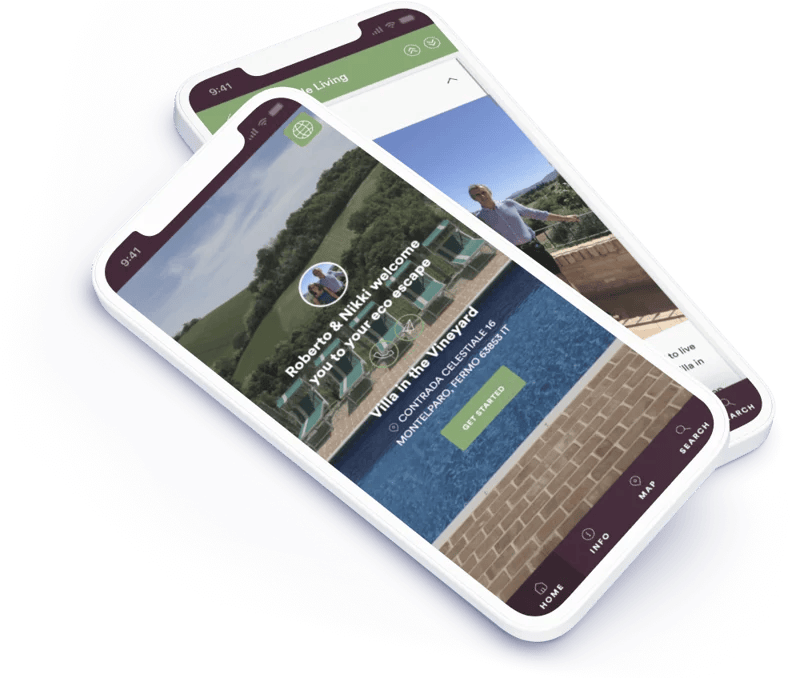
A Touch Stay digital guidebook is the perfect solution for this complexity. It acts as the single source of truth for all your property and local area information, accessible by guests on any device. It saves you time by proactively answering up to 80% of routine questions, allowing you to focus on the truly exceptional moments of your guest's stay.
Plus, consistent, professional communication and organisation are key to earning those high ratings that boost your visibility on every platform!
Ready to take control of your guest communication and save hours of time every week?
Start your free trial today and create a digital guidebook that enhances your guest experience across all your booking platforms!