

Summarize in
Hotel reception is often the first point of contact between a guest and a hotel. From welcoming arrivals to answering questions and resolving problems, the reception team plays a major role in shaping the guest experience.
But what does a hotel receptionist actually do? And what makes a hotel reception run smoothly?
Whether you're starting a career in hospitality, managing a hotel, or looking for ways to improve front desk operations, understanding the responsibilities of a hotel receptionist can help you deliver better service and keep things running efficiently.
In this guide, we'll explore what hotel reception involves, the main duties of a receptionist, essential front desk etiquette, and how technology can help hotel teams provide a more seamless guest experience.
Here's what we'll cover:
- What is reception in a hotel?
- What does a hotel receptionist do?
- Essential front desk etiquette
- Common hotel reception challenges
- How to improve hotel reception operations
- Final thoughts
- Frequently asked questions
What is reception in a hotel?
Hotel reception is the area and function responsible for welcoming guests, managing arrivals and departures, answering questions, and coordinating essential guest services.
Often called the front desk, reception serves as a central point of contact throughout a guest's stay. It's where guests check in, request assistance, ask about hotel facilities, and get help when something doesn't go to plan.
Reception staff also communicate with other departments, including housekeeping, maintenance, and management, to ensure guests receive the service they need.
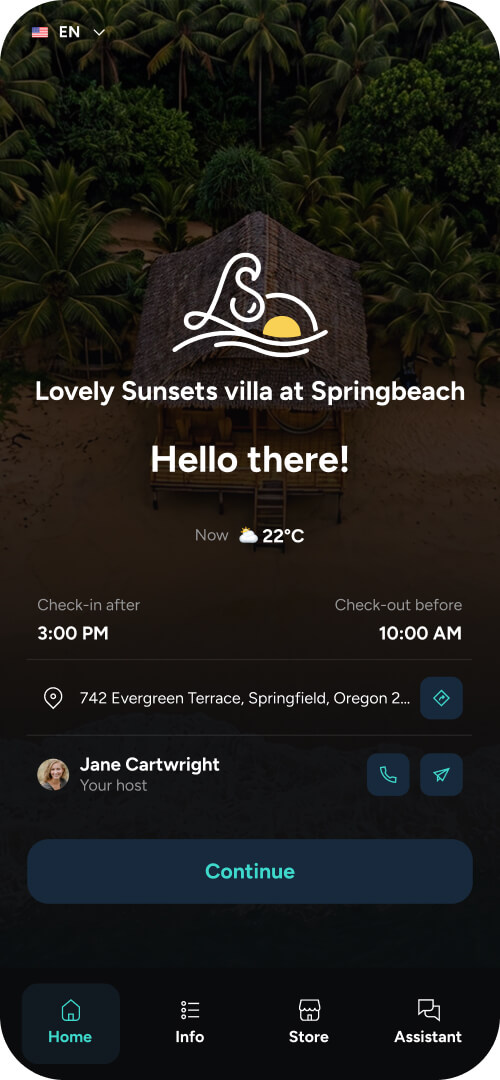
While traditional hotel reception involves face-to-face interactions, many hotels now combine in-person service with digital tools, such as online check-in, automated messages, and digital guest guidebooks.
The goal remains the same: make guests feel welcome, informed, and well looked after from arrival to departure.
What does a hotel receptionist do?
A hotel receptionist has a varied role that combines customer service, administration, communication, and problem-solving. The exact responsibilities depend on the hotel's size, staffing, and operating procedures.
Here are seven common duties:
1. Welcoming guests and managing check-in
First impressions matter, and the reception team often sets the tone for a guest's entire stay.
Receptionists greet arriving guests, confirm reservation details, verify identification where required, explain important hotel policies, and provide room keys or access instructions.
They also answer questions about arrival times, parking, luggage storage, and available facilities.
An efficient check-in process should feel welcoming without creating unnecessary delays. Having reservation details ready and communicating instructions clearly can make a real difference.
2. Handling reservations and check-out
Hotel receptionists often help manage reservations, confirm booking details, process payments, and handle check-out.
They may also respond to booking inquiries, explain room options, process changes, and coordinate requests for early check-in or late check-out.
Accuracy is essential. Mistakes involving dates, room types, charges, or guest preferences can create frustration and additional work for the team.
3. Answering guest questions
Guests regularly turn to reception for information about hotel facilities, restaurant hours, local attractions, transportation, and nearby services.
Receptionists need to provide accurate answers quickly and communicate clearly, especially when guests are unfamiliar with the area.
However, answering the same questions repeatedly can take up a surprising amount of time. Providing essential information in advance through a digital guest guidebook can help guests find answers independently while allowing reception staff to focus on more complex requests.
4. Coordinating with other hotel departments
Reception doesn't operate in isolation. Staff need to communicate with housekeeping, maintenance, food and beverage teams, and management to keep the hotel running smoothly.
For example, reception might need to confirm whether a room is ready, report a maintenance issue, or arrange an extra set of towels.
Clear communication and reliable handovers help prevent requests from being missed. Every outstanding issue should have an owner and a clear next step.
5. Handling complaints and resolving problems
Even well-run hotels encounter problems. A guest might find that their room isn't ready, experience a maintenance issue, or feel disappointed with a service.
Receptionists are often the first people guests approach for help.
The best response is to listen carefully, acknowledge the concern, explain what can be done, and follow through. Staff should also understand when an issue needs to be escalated to a manager.
For more guidance, read our article on handling guest complaints in hospitality.
6. Managing payments and administrative tasks
Depending on the property, receptionists may process payments, issue invoices, reconcile transactions, manage room allocations, and update guest records.
These tasks require attention to detail and careful handling of personal and payment information.
Following the hotel's procedures helps protect guest privacy and reduce errors.
7. Providing local recommendations
Guests often ask reception staff where to eat, what to visit, or how to get around.
Thoughtful recommendations can make a stay more memorable, especially when they're tailored to the guest's interests and practical needs.
Hotels can make this easier by creating a collection of trusted local recommendations that staff can share with guests. A digital guidebook can organize these suggestions in one place, making them accessible to guests before arrival and throughout their stay.
Essential front desk etiquette
Good front desk etiquette is about more than being polite. It involves communicating professionally, respecting guests' needs, and staying calm when things get busy.
Here are six practices every hotel reception team should follow.
1. Greet guests warmly
A friendly greeting helps guests feel acknowledged and welcome.
Make eye contact where appropriate, smile naturally, and give arriving guests your attention. If you're already helping someone, acknowledge the next person and let them know you'll be with them shortly.
Small gestures can make a strong first impression.
2. Communicate clearly and professionally
Use straightforward language and explain important details without overwhelming guests.
Avoid jargon, unclear instructions, or making assumptions about what guests already know. If a guest asks a question you can't answer, explain that you'll find out rather than guessing.
Consistency matters, too. Staff should communicate hotel policies accurately and avoid promising something they can't deliver.
3. Stay calm under pressure
Reception can become hectic during peak check-in times, staff shortages, or unexpected problems.
Even when you're busy, guests should feel that their concerns are being taken seriously.
Prioritize urgent issues, communicate realistic waiting times, and ask colleagues for support when necessary. A calm, organized approach helps prevent small problems from escalating.
4. Respect guest privacy
Hotel reception teams handle sensitive information, including contact details, identification, payment information, and reservation records.
Don't discuss a guest's personal details where others can overhear, and follow your hotel's procedures for verifying identity before sharing booking information or issuing room keys.
Professionalism includes protecting guests' privacy at every stage of their stay.
5. Take ownership of requests
When a guest raises a concern, don't leave them wondering what happens next.
If you can't resolve the issue immediately, explain the next steps and let them know when they can expect an update. If you need to pass the request to another department, make sure the handover is clear.
Following through builds trust and reduces the need for guests to chase updates.
6. Balance efficiency with personal service
Technology can speed up check-in and automate routine communication, but it shouldn't remove the human touch from hospitality.
Some guests appreciate self-service options, while others prefer speaking to a member of staff. Offer convenient alternatives where possible and remain available to help.
The best front desk experience combines efficient processes with genuine personal attention.
Common hotel reception challenges
Even experienced reception teams face operational challenges. Recognizing them is the first step toward improving the guest experience.
High volumes of repetitive questions
Questions about Wi-Fi, breakfast, parking, and check-in procedures can interrupt other tasks. Providing clear information before arrival and making it easy to access during the stay can reduce these interruptions.
Long check-in lines
Delays can occur when several guests arrive simultaneously or reservation details are incomplete. Online check-in, accurate booking records, and clear pre-arrival instructions can help reduce bottlenecks.
Communication gaps between department
If housekeeping doesn't update room status or maintenance requests aren't tracked, reception staff may give guests incorrect information. Shared systems and clear handover procedures help keep everyone informed.
Managing complaints during busy periods
A frustrated guest needs attention, even when the front desk is busy. Clear escalation procedures and consistent service standards help staff resolve problems without neglecting other arrivals.
Limited staff availability
Smaller properties may not have reception staff available around the clock. Providing reliable self-service information and clear contact instructions can help guests find answers when the front desk is unattended.
For more practical strategies, explore our hotel communication guide, which covers guest messaging, automation, and ways to improve communication throughout the guest journey.
How to improve hotel reception operations
You don't necessarily need more staff to make reception more efficient. Often, small improvements to processes and communication can make a noticeable difference.
Here are five ways to get started.
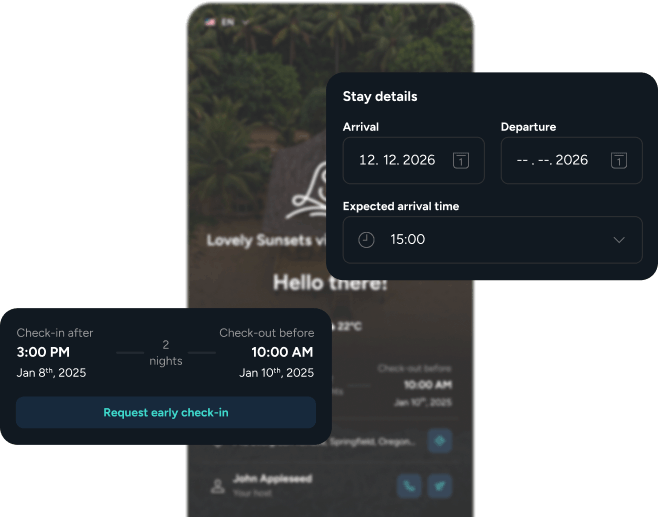
1. Make check-in information available in advance
Send guests essential arrival details before they reach the hotel. Include directions, parking information, check-in times, and any instructions they need to access their room.
This helps guests arrive prepared and gives reception staff more time to focus on welcoming them.
2. Create a central source of guest information
Make sure staff can quickly access accurate details about hotel facilities, policies, services, and local recommendations.
A Touch Stay digital guidebook can also give guests direct access to this information, reducing the need to contact reception for every routine question.
Touch Stay's AI chatbot can answer guest questions using information in the digital guidebook, helping guests find property-specific answers without waiting for a staff member.
3. Automate routine guest communication
Use scheduled messages to share information at the right time, such as before arrival, on check-in day, and before departure.
Automation can help ensure guests receive consistent instructions without requiring staff to send every message manually.
Keep messages relevant and concise, and make it easy for guests to contact the team when they need personal assistance.
4. Establish clear handover procedures
Create a consistent process for sharing outstanding requests between shifts and departments.
Record what happened, who's responsible, and what needs to happen next. This helps prevent unresolved issues from being forgotten when staff change over.
5. Review feedback and recurring questions
Track common complaints, repeated questions, and guest feedback to identify areas for improvement.
If guests frequently ask about parking, for example, make the information more visible before arrival. If check-in delays are common, review the process and identify where time is being lost.
Our article on improving the hotel guest experience offers further ideas for making each stage of a stay more convenient and enjoyable.
Final thoughts on hotel reception
Hotel reception plays an essential role in creating a positive guest experience. From welcoming arrivals and managing reservations to answering questions and resolving problems, receptionists help ensure every stay runs smoothly.
Great service comes down to clear communication, attention to detail, professional etiquette, and a willingness to help. But efficient operations matter, too. When teams have reliable processes and easy access to accurate information, they can spend less time dealing with avoidable questions and more time looking after guests.
Technology can support this effort without replacing personal service. By sharing information in advance, automating routine messages, and giving guests an easy way to find answers, hotels can make life easier for both staff and visitors.
Want to reduce repetitive guest questions at your property?
Touch Stay helps hotels create digital guest guidebooks with essential property information, local recommendations, and an AI chatbot that answers guest questions using guidebook content.
Explore Touch Stay's digital guidebooks and discover a simpler way to keep guests informed.
Frequently asked questions about hotel reception